
Optimal Seasons for Tree Removals
Tree removals are most effective when performed during specific times of the year to minimize impact on surrounding vegetation and ensure safety. Understanding seasonal considerations can help determine the optimal period for tree removal projects.
Performing removals during winter offers advantages such as reduced leaf cover, making the process easier and safer. Dormant trees are less likely to suffer from stress or disease transmission.
Spring is suitable for tree removal when the risk of pest spread is lower. However, it may interfere with budding and growth cycles, so timing should be carefully planned.
Summer removals are possible but can be challenging due to dense foliage and increased heat. Proper planning and hydration measures are necessary to ensure safety.
Fall is often considered ideal for tree removals because trees are entering dormancy, and leaf drop provides better visibility and access for equipment.
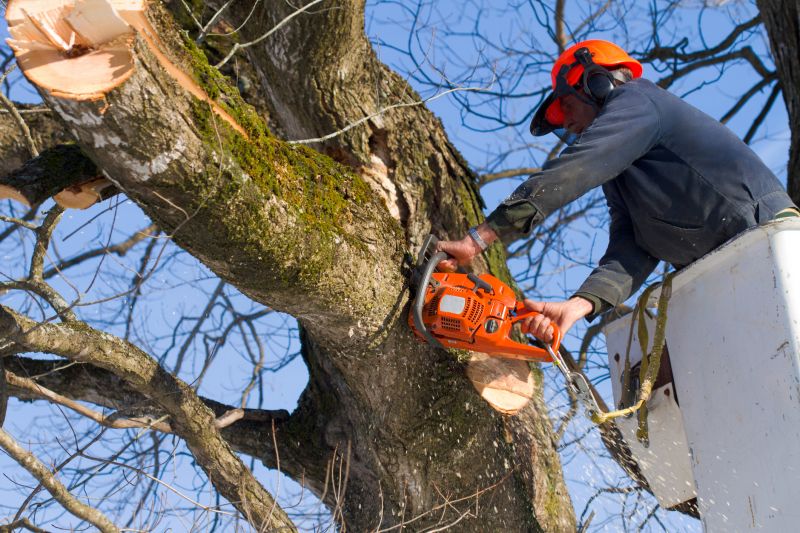
Tree removal in winter often results in less disruption and easier access.
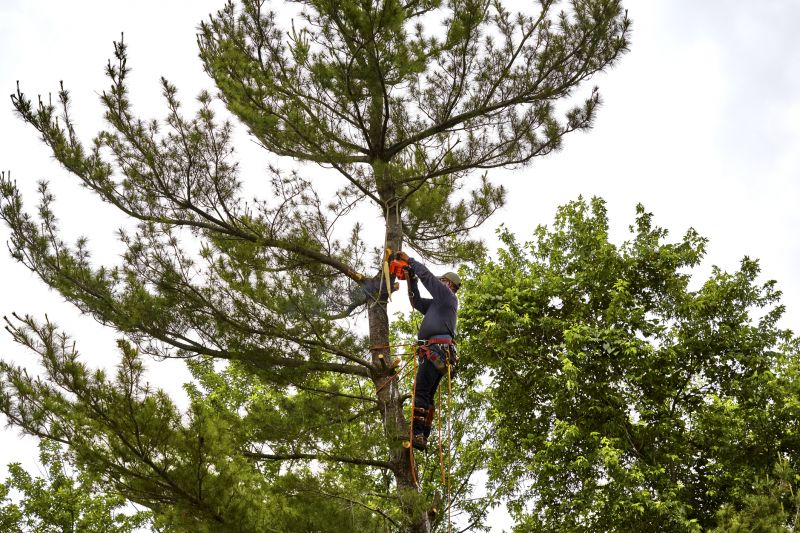
Spring removals require careful timing to avoid damaging new growth.
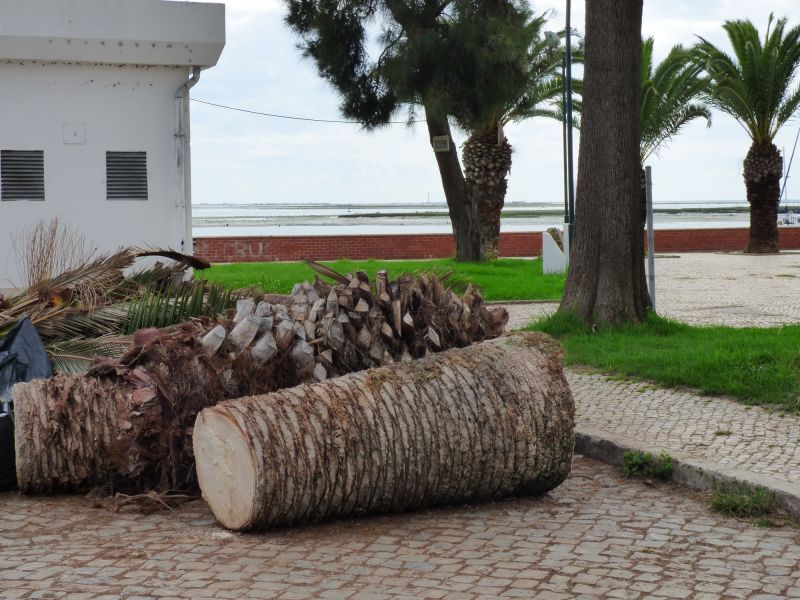
Summer removals involve managing dense foliage and heat conditions.
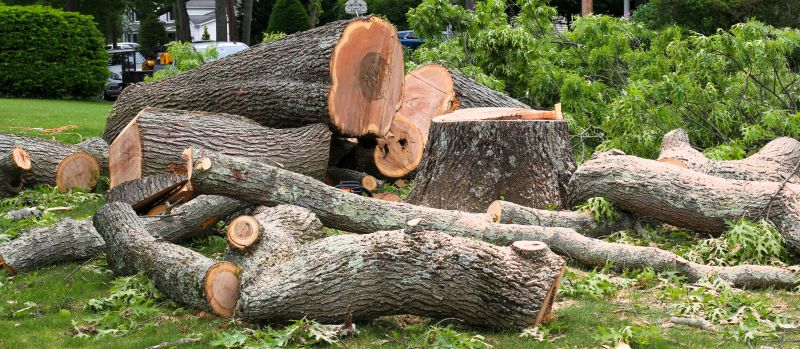
Fall offers visibility and lower stress on trees entering dormancy.
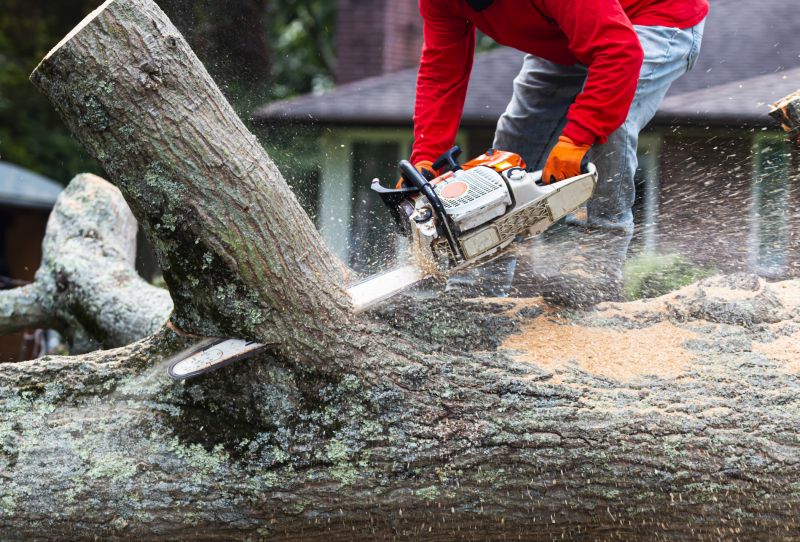
Ways to make Tree Removals work in tight or awkward layouts.
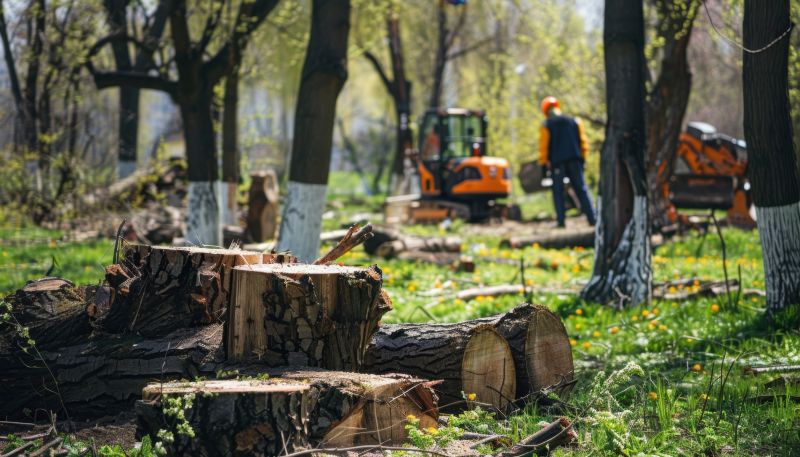
Popular materials for Tree Removals and why they hold up over time.
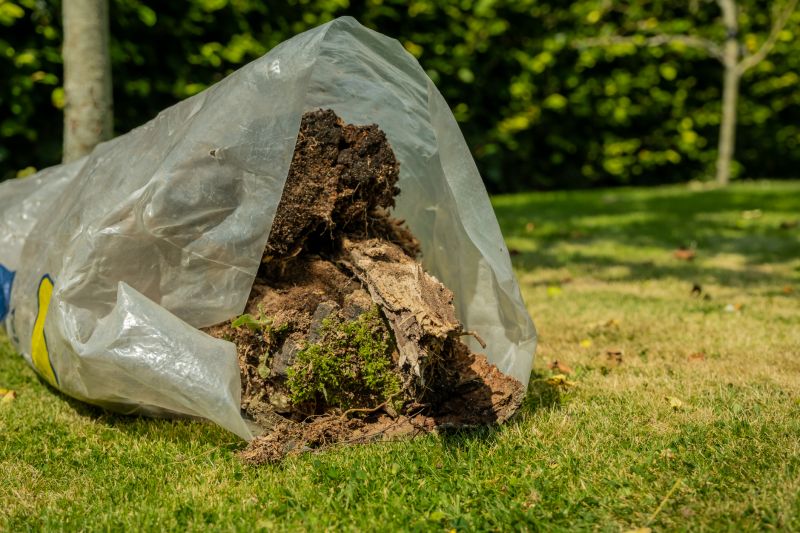
Simple add-ons that improve Tree Removals without blowing the budget.
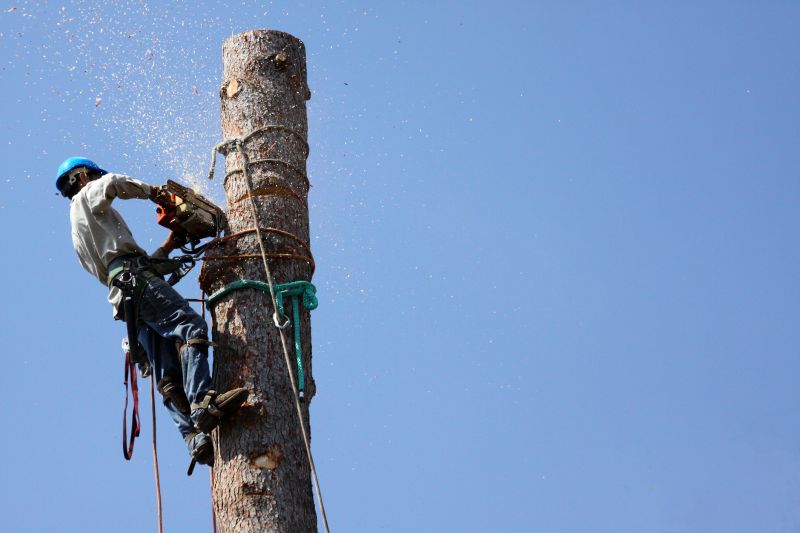
High-end options that actually feel worth it for Tree Removals.
| Season | Best for | Considerations |
|---|---|---|
| Winter | Safety and accessibility | Less foliage, easier equipment handling |
| Spring | Lower pest risk | Potential interference with new growth |
| Summer | Availability | Increased foliage and heat challenges |
| Fall | Optimal timing | Trees entering dormancy, better visibility |
Tree removals are a critical component of landscape management, often necessary for safety, health, or aesthetic reasons. Proper timing ensures that the process is efficient and minimizes disruption to surrounding vegetation. Seasonal factors such as leaf cover, tree dormancy, and weather conditions influence the success of removal projects. For example, winter removals tend to be less invasive due to the absence of leaves, which allows for clearer access and safer operation. Conversely, spring and fall offer advantages related to the tree's natural growth cycle, reducing stress and promoting healthier landscape outcomes.
Statistics show that performing tree removals during dormancy periods can reduce the risk of pest spread and disease transmission. Additionally, seasonal timing can impact the cost and complexity of the removal process, with winter often being the most cost-effective due to easier access and fewer environmental constraints.
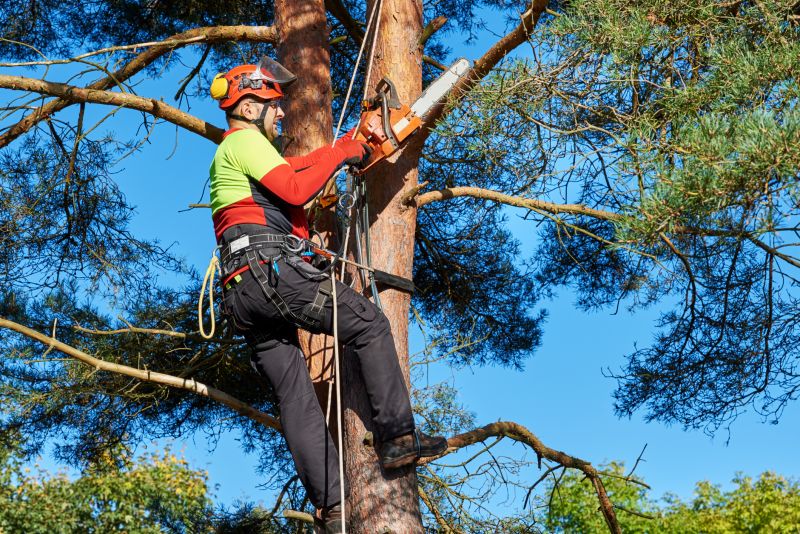
Specialized equipment facilitates safe removal during winter conditions.
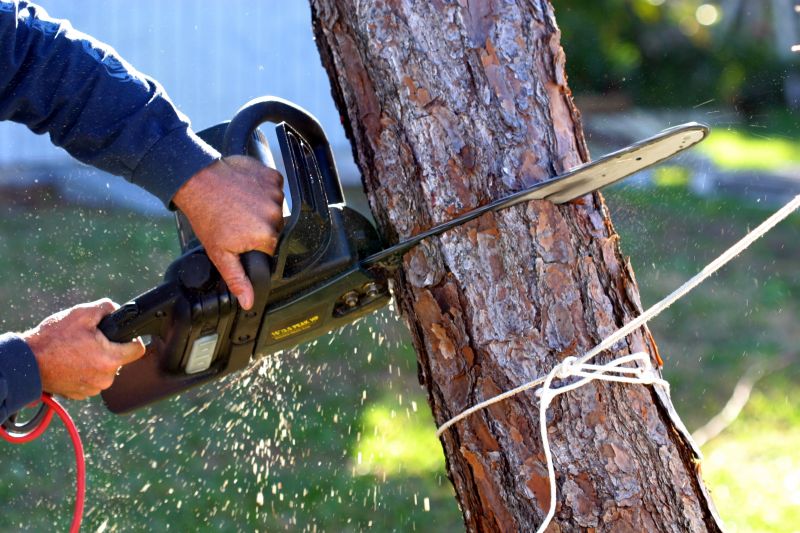
Spring allows for precise cuts with minimal stress on remaining growth.
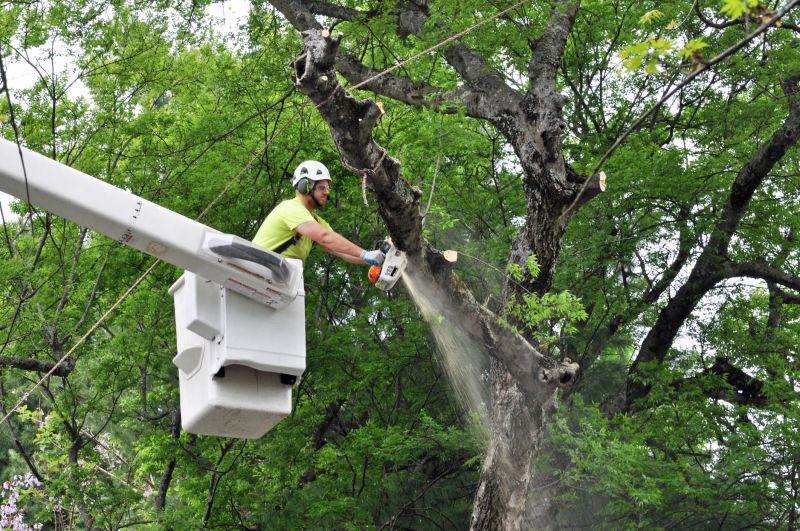
Handling dense summer foliage requires strategic planning.
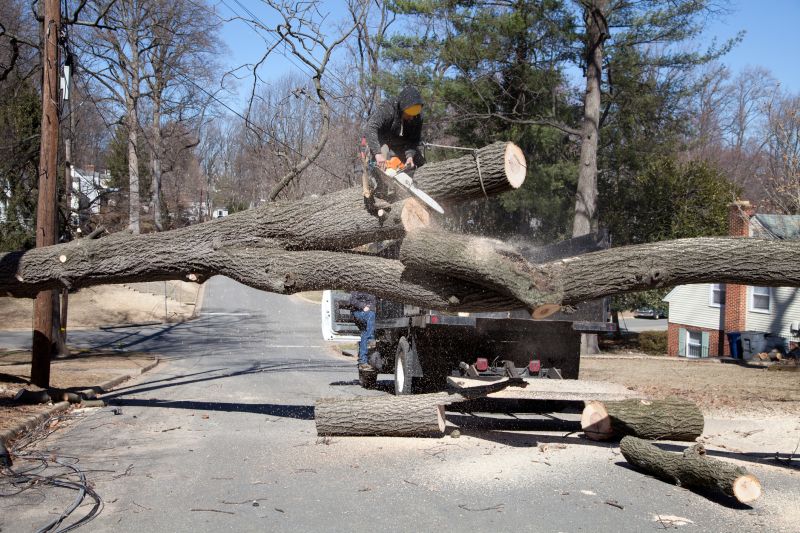
Fall provides optimal visibility and access for removal.
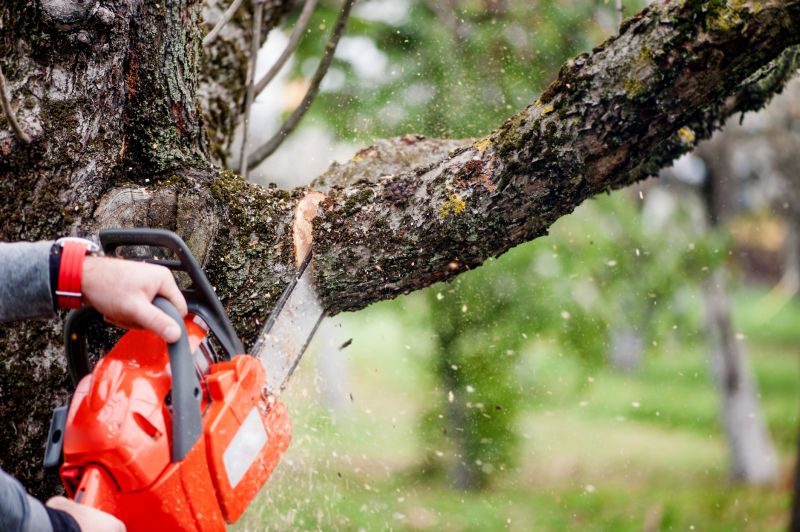
Finishes and colors that play nicely with Tree Removals.

Little measurements that prevent headaches on Tree Removals day.
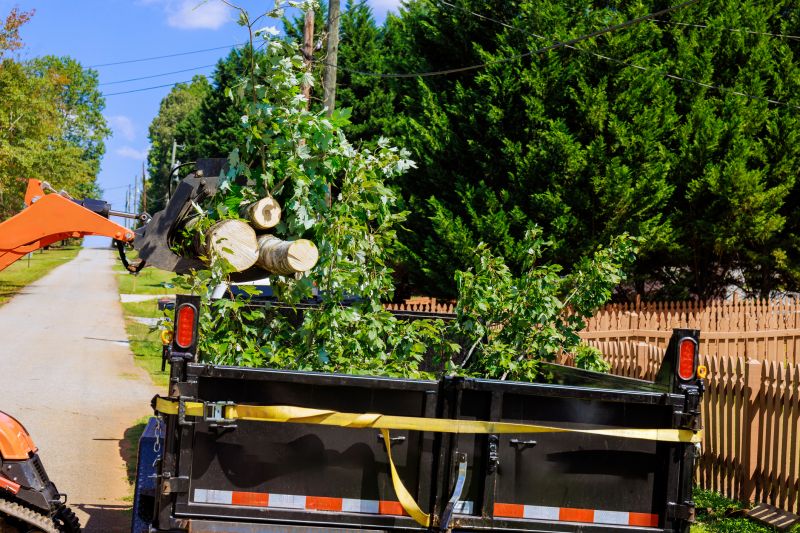
A 60-second routine that keeps Tree Removals looking new.
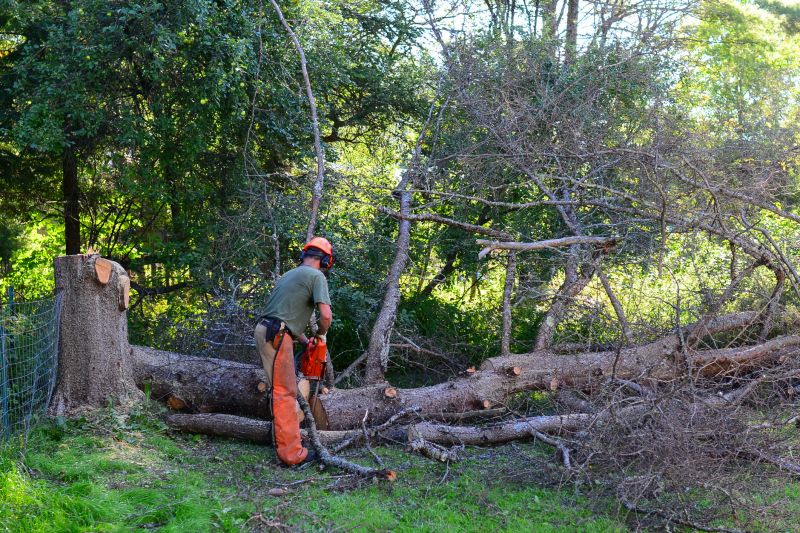
A frequent mistake in Tree Removals and how to dodge it.
Individuals interested in scheduling tree removals should consider seasonal timing to ensure safety and efficiency. Filling out a contact form can facilitate planning and coordination for the desired timeframe, ensuring that the project aligns with seasonal best practices.